
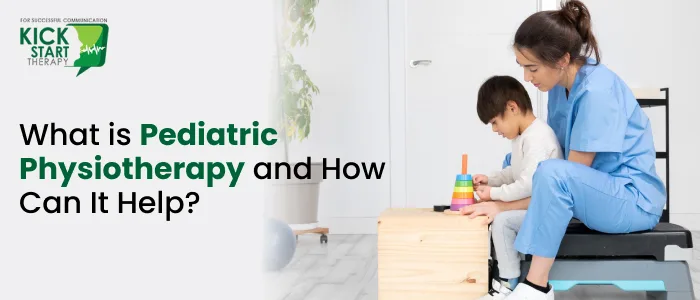
At our clinic in Brampton, we often see parents visiting us with a common worry about their child’s development. Although every child grows at their own pace, it can be disheartening for parents when their child keeps missing developmental milestones, especially the physical ones. Many of them ask if child physiotherapy can help with developmental delays, as there’s a common misconception that physiotherapy is only meant for recovery after an injury.
Indeed, physiotherapy for kids not only helps them heal from injuries but also supports them in overcoming physical developmental delays. Before beginning therapy sessions, we always start with a parent consultation. During this time, we explain the child’s current condition and how physiotherapy can help, as we understand that parents often feel a mix of worry and curiosity at this stage.
Through this blog, we will help you understand what kids physiotherapy is all about, how it can help your child, and what signs may indicate that your child needs it.
What is Pediatric Physiotherapy?
Pediatric physiotherapy is a branch of physical therapy that focuses on helping infants, toddlers, and children develop proper movement, strength, and coordination. It supports their physical growth and helps them reach important movement milestones like sitting, crawling, walking, or running.
Many parents think physiotherapy is only needed after an injury, but it can help those with developmental delays, muscle weakness, poor balance, or conditions like cerebral palsy, spina bifida, or genetic disorders that affect movement.
The main goal of pediatric physiotherapy is to make everyday activities easier and more natural for the child. Treatment often includes gentle exercises, stretches, posture correction, and play-based therapy that feels fun but has a purpose behind it.
When Do Children Need Physiotherapy?
Every child grows and learns movement skills at their own pace. However, some children take longer to reach certain milestones like rolling, sitting, crawling, or walking. Child physiotherapy helps in such cases by supporting their physical growth, improving balance, and making daily activities easier. It focuses on how a child moves, plays, and explores the world around them.
Below are some common situations where physiotherapy for children can be very helpful:
Developmental Delays or Missed Milestones
If a baby isn’t reaching expected milestones, like sitting without support by 8 months or walking by 18 months, it could mean they need some extra help.
Physiotherapy can gently encourage muscle control, balance, and coordination. Early sessions can make a significant improvement because children’s muscles and bones are still developing, and timely guidance helps them gain movement skills more naturally.
Cerebral Palsy
Children with cerebral palsy often have stiffness, weakness, or difficulty in controlling their movements. Child physiotherapy focuses on improving flexibility and posture. The aim is to make their movements smoother, reduce discomfort, and help them participate in daily activities with greater ease.
Down Syndrome
Children with Down syndrome may have low muscle tone and joint looseness, which affects their balance and coordination. Regular physiotherapy helps strengthen their muscles and improve motor control. It also supports better posture and walking patterns as they grow.
Autism Spectrum Disorder (ASD)
In children with autism, physiotherapy helps improve body awareness, coordination, and sensory processing. Through structured play and movement-based activities, it supports better balance and confidence, helping them engage more comfortably in their surroundings.
Clubfoot or Torticollis
In conditions like clubfoot, where the foot is turned inward, or torticollis, where the neck muscles are tight on one side, child physiotherapy helps correct posture and improve range of motion. Gentle stretches and guided exercises are used to help the muscles align properly.
Post-Surgical or Injury Rehabilitation
After surgery or an injury, children may struggle to regain their strength or physical movement. Child physiotherapy helps them recover safely through tailored exercises that restore flexibility, reduce pain, and prevent long-term stiffness.
How Physiotherapy for Kids Works?
Child physiotherapy focuses on helping children improve their overall physical abilities in a way that feels natural and playful. Every child is unique, so the treatment plan is tailored according to their age, condition, and needs. The therapy is usually play-based, allowing children to learn and move comfortably while enjoying the process.
Here are some common techniques used in child physiotherapy:
Stretching and Strengthening Exercises
These exercises help loosen tight muscles and build strength in weaker areas. Gentle stretching improves flexibility, making movement smoother and reducing stiffness. On the other hand, strengthening exercises help children develop better control and endurance for activities like walking, climbing stairs, or lifting toys.
Balance and Coordination Training
Balance and coordination are essential for everyday activities such as standing, walking, or playing. The therapist uses simple tasks like standing on one foot, catching a ball, or walking on uneven surfaces to train the child’s body to stay steady and move more confidently.
Neurodevelopmental Therapy (NDT)
For children with neurological conditions such as cerebral palsy, NDT helps retrain the brain and body to move more effectively. The therapist uses hands-on techniques to guide the child through specific movements that encourage proper posture, control, and muscle tone.
Play-Based Therapy
Children learn best through play, and physiotherapy often uses games, toys, or obstacle courses as part of treatment. It keeps the sessions fun and motivating while helping children practice important movement skills without feeling pressured.
Sensory Play
Some children struggle with how their body responds to touch, movement, or sound. Sensory play activities, like bouncing on a therapy ball, swinging, or playing with textured toys, help improve body awareness and coordination. It is especially helpful for children with autism or sensory processing difficulties.
Parent Education and Home Exercise Plans
The role of parents is vital in the success of any treatment. The physiotherapist guides them on exercises and positioning techniques that can be done at home. These small, consistent efforts help speed up progress and make therapy more effective in daily life.
What are the Benefits of Pediatric Physiotherapy?
The benefits of child physiotherapy can be seen physically, mentally, and emotionally as children become more confident in how they move and interact with the world around them.
Physical Benefits
Child physiotherapy helps improve movement, muscle strength, and overall gross motor skills. It supports proper posture and balance, which are important for sitting, walking, running, or even holding objects. For children with tight or weak muscles, physiotherapy helps bring the right balance so movements become smoother and more controlled. Regular therapy also reduces stiffness, prevents joint problems, and helps children participate more easily in everyday activities.
Cognitive Benefits
Movement and brain development are closely connected. When a child learns new physical skills, it also improves their focus, coordination, and sensory awareness. Through structured exercises and play-based therapy, children learn to plan movements, pay attention, and respond better to their surroundings.
Emotional and Social Benefits
When a child moves better, they feel more confident and independent. Physiotherapy encourages participation in games, school activities, and social play with other children. This interaction helps build self-esteem and emotional strength. It also teaches children to handle new challenges without fear or frustration, which is a big step in their overall growth.
Conclusion
Pediatric physiotherapy helps children build the physical foundation they need for daily life, learning, and play. Early guidance and the right therapeutic approach can make a lasting improvement in how a child grows, moves, and interacts with their surroundings.
At Kick Start Therapy, we provide child physiotherapy in a way that is playful, encouraging, and child-friendly. The goal is simple: to help every child reach their full potential and enjoy the freedom of movement.
FAQs
What is the Role of a Pediatric Physiotherapist?
A pediatric physiotherapist helps children develop movement skills, improve strength, balance, and coordination, and manage conditions affecting physical growth, mobility, or motor development.
What Equipment is Used in Pediatric PT?
Therapists use tools like therapy balls, balance boards, resistance bands, walkers, soft mats, and sensory toys to make exercises fun, engaging, and suited to each child’s needs.
What Age is Pediatric PT for?
Child physiotherapy can begin from infancy and continue through adolescence, supporting children at every developmental stage, from early motor skills to advanced physical activities.
Can Pediatric PT Help with Developmental Delays?
Yes, pediatric physiotherapy supports children with delayed milestones by improving muscle control, balance, and coordination, helping them reach age-appropriate movement and functional abilities.
How can I Help My Child During PT?
Parents can help by practicing suggested exercises at home, maintaining consistency, creating a positive environment, and encouraging their child’s participation during and after sessions.